 en
en vi
vi es
es th
th pt
pt ms
ms ko
ko ru
ru fr
fr de
de ar
ar hi
hi id
id





Plate displacement
Printing plates are easy to shift during operation, resulting in inaccurate overprinting and defective printed products.
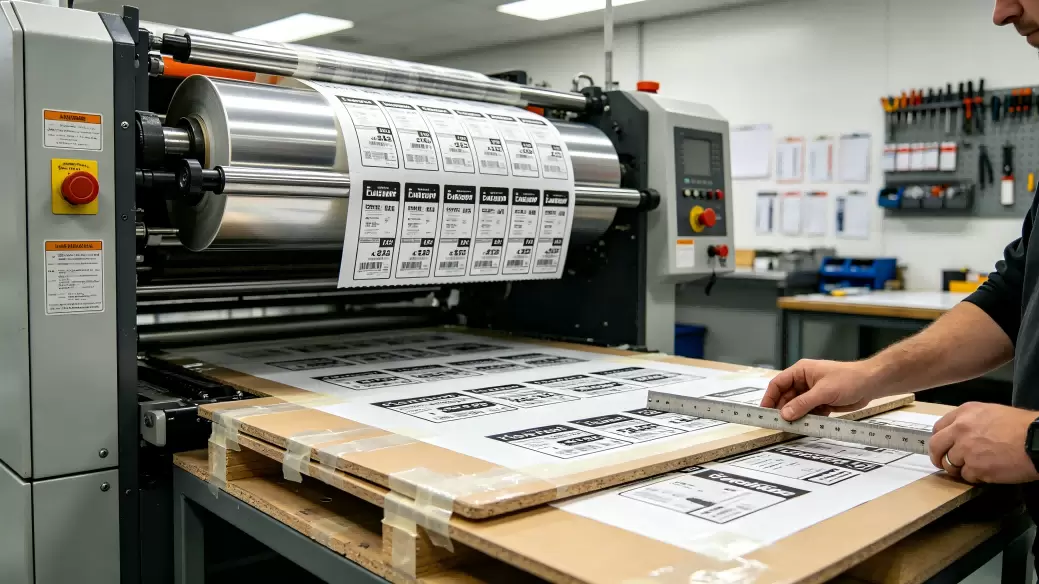
Facilitates frequent replacement and positioning of different printing plates under the demand of customized label printing; temporarily fixes flexographic printing plates on storage boards when idle to prevent plate deformation and wear; debug before new printing plates are put into production, and adjust the plate position repeatedly to ensure accurate overprinting.
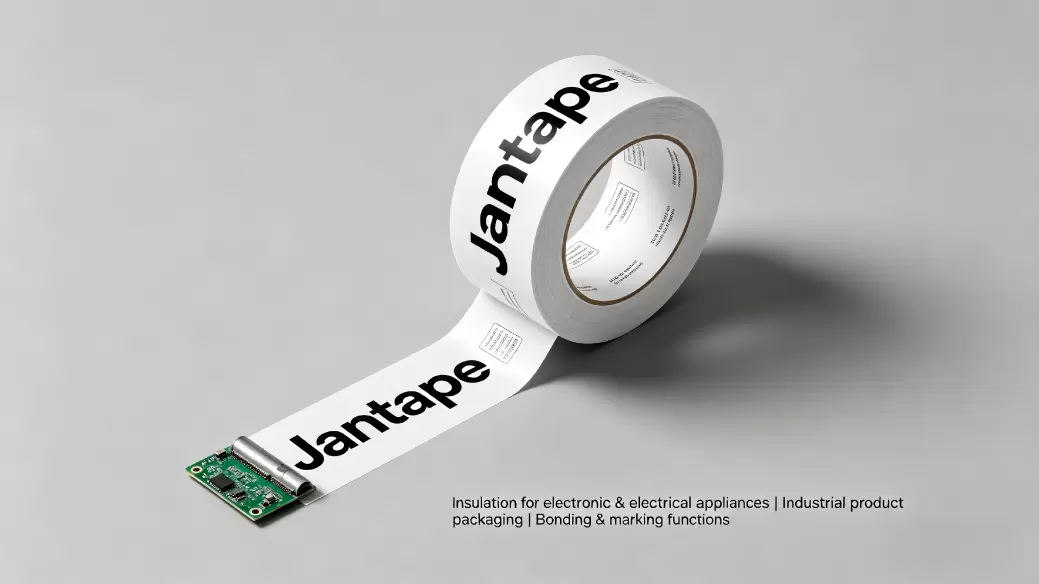
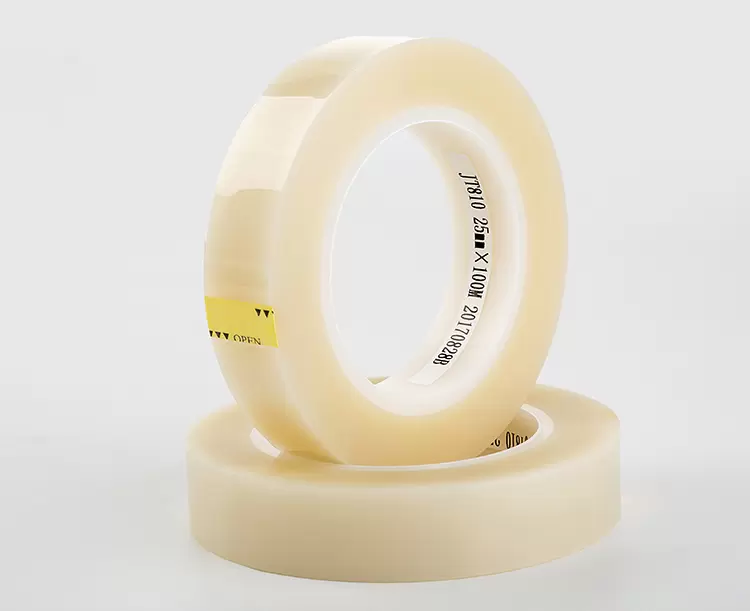
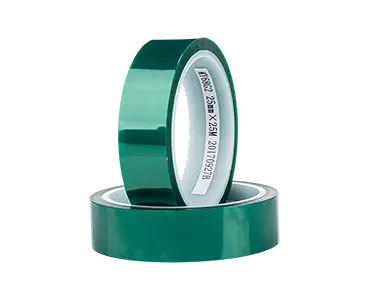
Applied to the insulation of various electronic and electrical appliances and the packaging of industrial products, with both bonding and marking label functions.
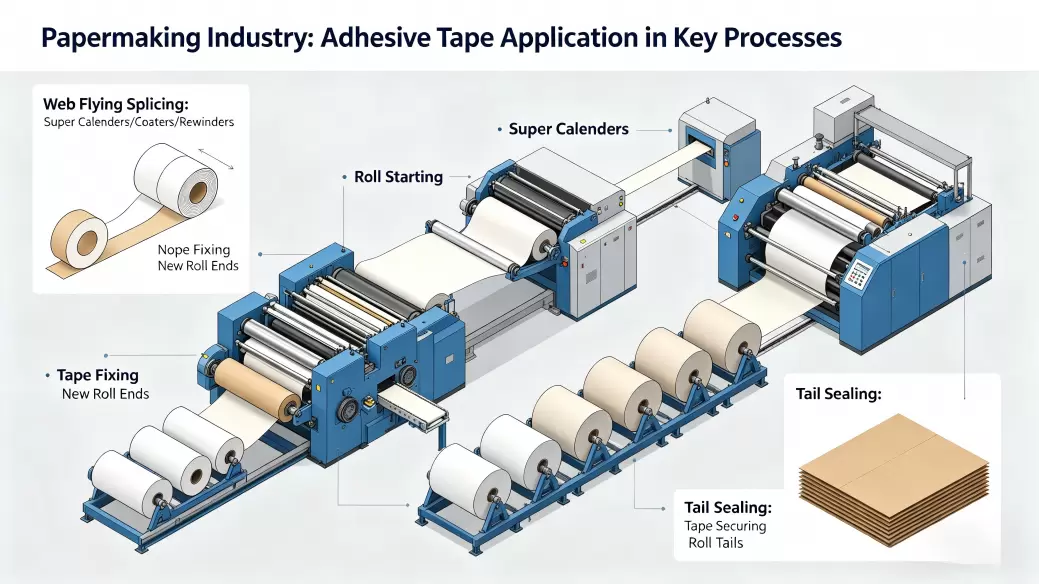
As a core consumable of the industry, it can be used for web flying splicing of super calenders, coaters and rewinders to realize non-stop docking of new and old paper rolls/corrugated boards, and also for roll starting and tail sealing and fixing of paper rolls.
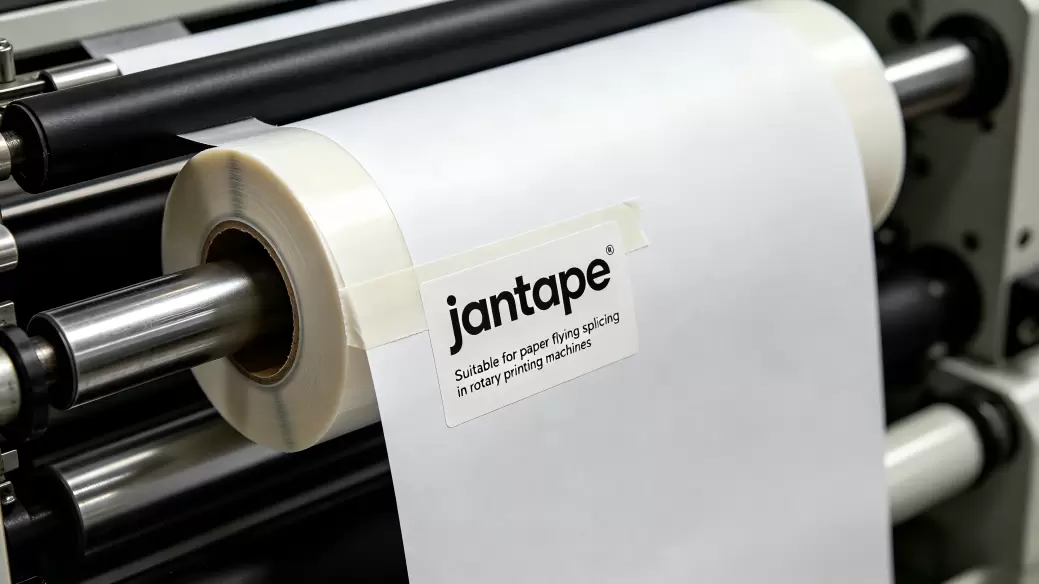
Suitable for paper flying splicing during the production of rotary printing machines and other equipment to ensure the continuous progress of the printing process.

Printing plates are easy to shift during operation, resulting in inaccurate overprinting and defective printed products.

The adhesive material cannot be reused after removal, causing waste and raising production costs.

Position adjustment is rigid and inconvenient, with weak long-term stability and easy failure.
Long-term use and harsh working environments will cause the printed content on tape labels to become blurred and unclear, affecting visual identification.
Tape labels are prone to peeling off from the surface, along with obvious bending and deformation of texts and patterns in daily application.
Damaged and distorted label details lead to invalid scanning and unrecognizable QR codes, greatly hindering daily management and traceability.
It cannot dissolve thoroughly under long-term acidic and alkaline water environments, leaving undissolved residues.
The material cannot be recycled and reused, resulting in waste and environmental pressure.
Undissolved debris will accumulate and easily block equipment screens in actual production.
Frequent shutdowns occur due to manual paper replacement in printing production.
Traditional splicing methods lead to weak connection and easy paper breakage.
Discontinuous production seriously restricts overall printing output efficiency.
Select based on battery type (cylindrical/prismatic/pouch), application position (tab/electrode group/casing), and operating temperature requirements.