 en
 vi
 es
 th
 pt
 ms
 ko
 ru
 fr
 de
 ar
 hi
 id





 Search

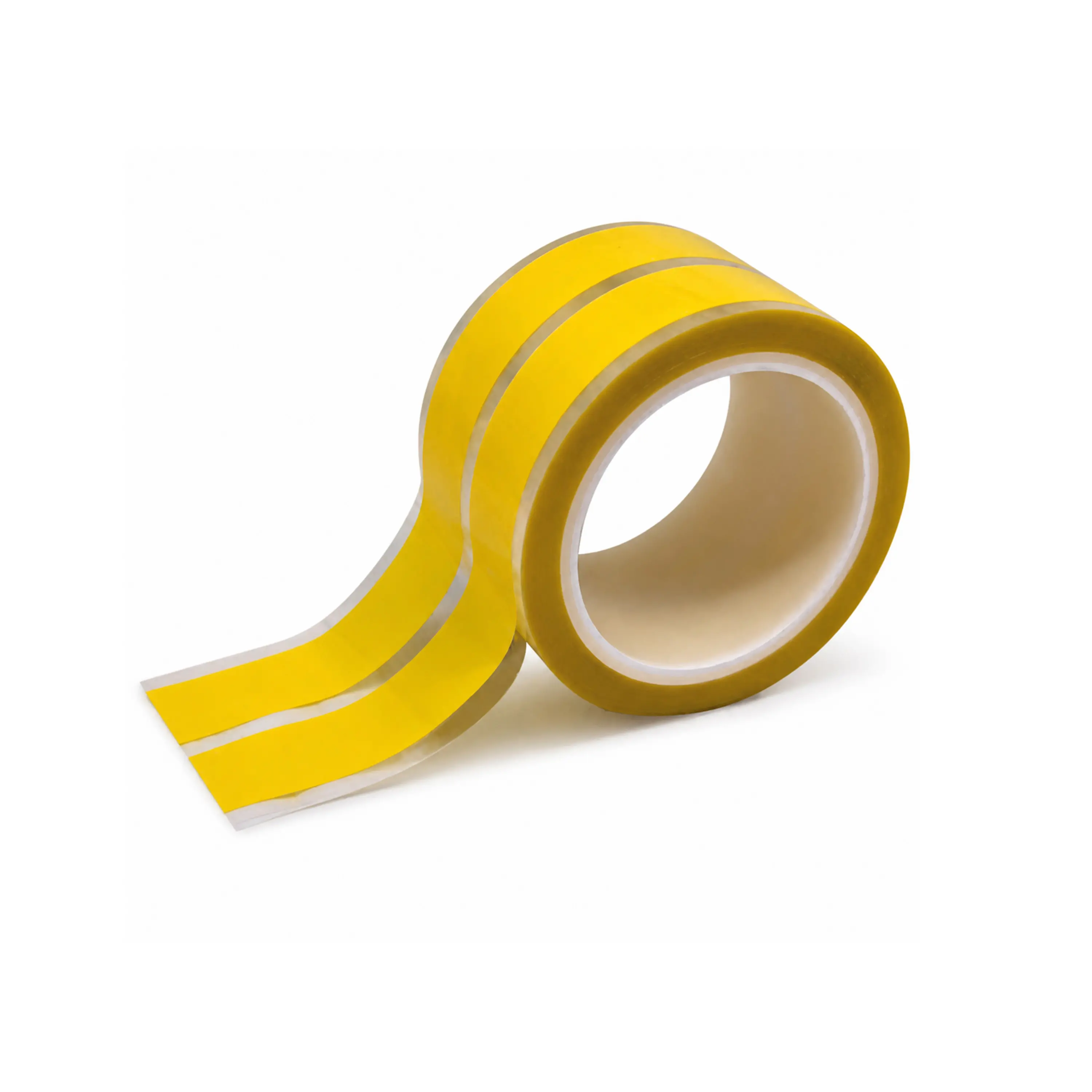
Swelling Tape-POB05A3
Swelling Tape for Battery
Learn More


Jantape supplies battery adhesive tapes for a range of requirements in battery manufacturing, where insulation, component fixation and material compatibility all affect production performance. The right tape depends on its position in the battery assembly, the materials it contacts and the conditions it encounters during processing. A tape that works well for one application may not be suitable for another, making application-specific selection important for consistent results.
Battery tape selection starts with the job the tape needs to perform. Insulation, component fixation and surface protection place different demands on the backing material and adhesive. The bonding surface, available application space and assembly method also matter, particularly when tape needs to conform to a specific component or remain stable during subsequent processing.
Environmental conditions should be considered before a product is selected. Heat, contact with electrolytes and other chemical exposure may affect adhesive performance, depending on the tape construction and the conditions involved. Manufacturers should confirm the relevant requirements against product specifications and test the tape under representative production conditions where necessary.
Tape selection is also closely tied to the manufacturing process itself. The position of the tape, the stage at which it is applied and whether it remains in the finished assembly all influence the requirements. These considerations are part of the wider role of adhesive tape in lithium battery manufacturing, where different production stages call for different tape functions.
There is no single set of tape specifications that suits every battery component. Depending on the application, buyers may need to consider thickness, width, adhesive properties, roll format and requirements such as electrical insulation or flame retardancy. These specifications should be based on the component design and operating conditions rather than selected by default.
Initial adhesion alone is not enough to establish suitability. A tape may also need to maintain its position during handling, perform consistently under specified conditions or meet particular removal requirements. Where chemical resistance, temperature performance or insulation is critical, the relevant criteria should be agreed upon before production trials.
Standard tape specifications may not fit every component design or production line. Differences in application space, substrate materials and converting equipment can make dimensions and roll format just as important as adhesive performance.
Jantape offers adhesive tape manufacturing and converting for industrial applications. For battery-related requirements, the application, substrate, operating conditions and required dimensions provide a starting point for discussing product suitability. Drawings, samples or existing tape specifications can help clarify the requirements and determine whether a standard product or a customized specification is appropriate.
Start with the application and the function required, then consider the substrate, bonding conditions, operating temperature and any electrical insulation, chemical resistance or flame-retardancy requirements. Product specifications and application testing should guide the final selection.
Not necessarily. The required adhesion depends on whether the tape is intended for fixation, insulation, protection or another purpose. Substrate compatibility, holding performance and removal requirements should be considered alongside initial adhesion.
Depending on the product and application, dimensions, roll format and suitable material or adhesive options may be discussed with the manufacturer. Providing the intended use and relevant technical requirements helps establish suitable specifications.
Useful information includes the application, substrate material, required dimensions, operating conditions and any specific performance requirements. Drawings, samples or existing tape specifications can help clarify the application.