Keeping Electrical Components Secure During Assembly
Tape is widely used in electrical manufacturing because it can hold materials together without the extra hardware or space required by mechanical fasteners. Around coils and transformers, it helps keep winding layers and insulating materials in position. In wire harness assembly, tape can bundle wires, protect exposed sections, and keep individual branches organized. It is also useful for securing small components where a flexible wrapping material is easier to apply than a rigid fixing method.
These jobs place different demands on the tape. A wire bundle may contain bends and junctions that require the backing to conform closely, while a coil or electrical assembly may be exposed to heat during operation. Adhesion matters, too: the tape should stay in place during handling and service rather than lifting at edges or loosening around wrapped components. This is why fixing tapes for electrical applications are selected not only for their adhesive strength but also for the behavior of their backing material.
Acetate Cloth Tape and Glass Cloth Tape: Where Each Fits
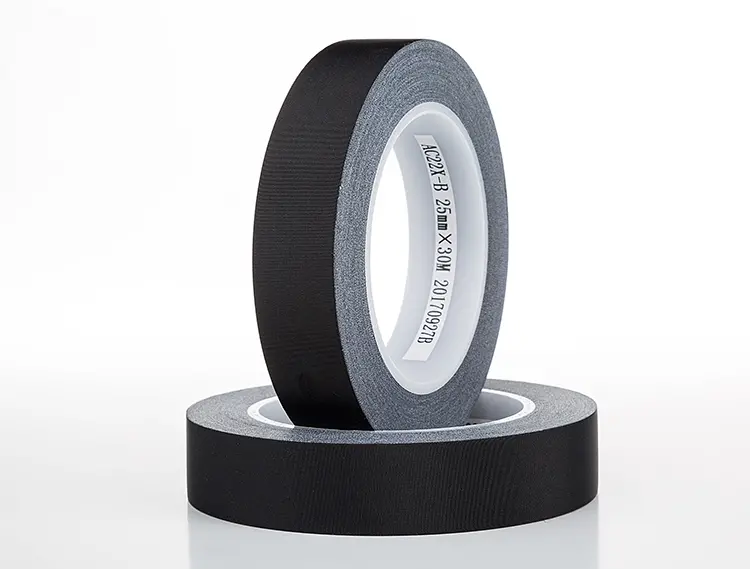
Acetate cloth tape is particularly useful when a job involves wrapping, binding, or insulating components with uneven shapes. Its flexible fabric backing can follow curves and corners without making the finished assembly unnecessarily rigid. This makes it a practical option for coil wrapping, wire harness bundling, and general electrical component protection.
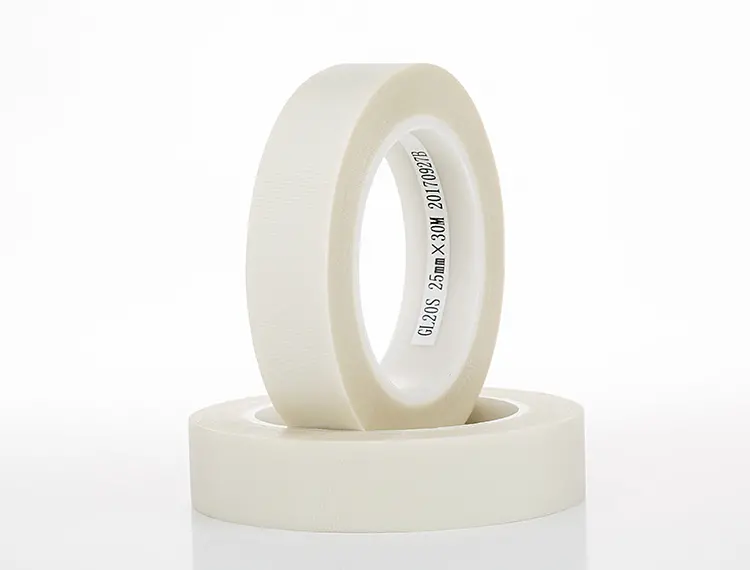
Glass cloth tape serves a different set of needs. Its glass fiber fabric backing provides greater mechanical stability and is commonly used where the tape must withstand higher temperatures or more demanding handling conditions. In electrical equipment, it can be used to secure insulating materials and protect areas exposed to heat. The two materials are not interchangeable in every application; the decision depends on whether flexibility and conformability or mechanical strength and thermal performance are more important.
What Matters When Specifying an Electrical Fixing Tape
A tape that works well on a flat surface may behave differently when wrapped around a narrow wire bundle or a tightly wound coil. Before specifying a product, consider the shape of the component, the amount of tension applied during wrapping, and whether the tape will remain in place under heat or vibration. Adhesive compatibility with the surface is equally important, particularly when the tape is applied to coated wires, insulation materials, or other surfaces with different textures.
For electrical applications, mechanical holding performance is only part of the specification. Dielectric strength, flame-retardant performance, and temperature resistance may also need to meet equipment or industry requirements. These properties should be checked against the actual design specifications rather than assumed from the backing material alone. Tape width and thickness are also worth considering, especially in compact assemblies where excessive overlap can affect the finished dimensions.
Frequently Asked Questions
Can fixing tape be used for wire harness wrapping?
Yes. Flexible cloth fixing tapes can bundle wires, follow bends, and help keep harness branches organized. The tape should be selected according to the wire insulation and service conditions.
Is glass cloth tape suitable for high-temperature applications?
Glass cloth tape is commonly used in applications involving elevated temperatures. Its actual temperature limit should be confirmed from the product specifications.
What should I check before choosing an electrical fixing tape?
Check the backing material, adhesive compatibility, insulation requirements, temperature resistance, and the dimensions of the finished assembly.

 en
 vi
 es
 th
 pt
 ms
 ko
 ru
 fr
 de
 ar
 hi
 id





 Search