 en
en vi
vi es
es th
th pt
pt ms
ms ko
ko ru
ru fr
fr de
de ar
ar hi
hi id
id





Oct 10,2026
Different Types of Adhesive Tape and Their Industrial Uses
Industrial adhesive tape is used for much more than holding two surfaces together. In manufacturing, it can secure components during assembly, protect surfaces from coatings or scratches, insulate electrical parts, join material rolls, and keep packaging lines running. The right tape depends on what the production process requires, not simply on how sticky the tape feels.
The different types of adhesive tape are generally classified by their construction, backing material, adhesive system, or intended function. These categories often overlap. A polyester tape, for example, may be designed for masking, surface protection, or electrical insulation depending on its adhesive and performance requirements. Similarly, a high-temperature tape describes a performance characteristic rather than one specific backing material.
For industrial buyers, the most useful starting point is the job the tape needs to perform. Is it intended to create a lasting bond, hold a component temporarily, protect a finished surface, or withstand a demanding production process? Answering that question narrows the options and makes it easier to compare products against actual operating conditions.
Packaging tape is primarily used to close cartons, secure packages, and prepare goods for storage or transportation. Its performance affects whether boxes remain sealed during handling, stacking, and shipment. In high-volume operations, consistent adhesion and predictable unwinding also matter because tape failures can interrupt packing lines.
Different packaging requirements call for different constructions. Conventional packing tape is commonly selected for carton sealing, while kraft tape is used in applications where a paper-based backing suits the packaging process. Kraft paper splicing tape serves a different purpose: it joins paper webs during converting or roll changes rather than simply closing boxes.
When selecting packaging tape, consider the carton surface, package weight, storage conditions, and application method. Recycled cardboard, dusty surfaces, and low temperatures can affect adhesion. For automated packing, unwind consistency and compatibility with dispensing equipment may be just as important as the initial bond.
Double-sided adhesive tape has adhesive on both faces of its backing or carrier, allowing it to join two surfaces without an exposed adhesive layer. It is used in component mounting, product assembly, material lamination, and the attachment of lightweight parts where a clean appearance or controlled bond line is important.
The construction of the tape influences how it behaves. Tissue-backed tapes are thin and flexible, while PET-backed versions offer a film carrier that can provide greater dimensional stability. Foam-based constructions can be useful where a bond must accommodate some surface irregularity, although their suitability depends on the application and product specification.
Industrial buyers should evaluate the materials being joined, the size of the bonding area, the load direction, and whether the joint will experience vibration, moisture, or temperature changes. Plastics can vary considerably in surface energy, so a tape that bonds well to one plastic may not perform equally well on another.
For applications involving component fixation and assembly, Jantape offers a range of industrial double-sided tapes. The appropriate construction should be selected according to the substrate, required bond strength, and production conditions rather than thickness or adhesive strength alone.
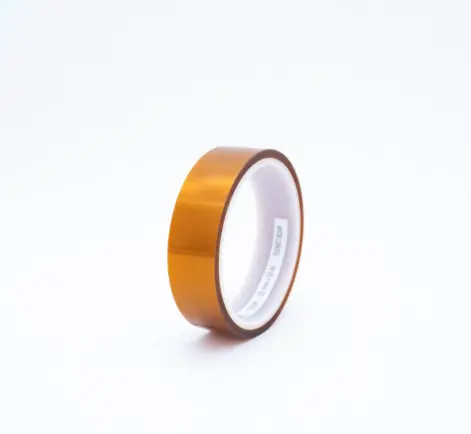
Masking tape protects selected areas from paint, coatings, plating chemicals, or other process materials. It allows manufacturers to define where a treatment should and should not be applied, helping control the finished appearance and reduce rework.
Crepe paper masking tape is widely associated with general masking tasks, while PET masking tape can be suitable for processes requiring a film backing. The best option depends on the process temperature, surface geometry, chemical exposure, and the condition of the substrate after treatment.
Removal is a critical part of masking performance. A tape must remain in place during the process but should also be removable at the intended stage without damaging the underlying surface or leaving unacceptable adhesive residue. Edge lifting, adhesive transfer, and poor conformity around corners can all create production problems.
Jantape's industrial masking tapes include options for different masking requirements. Before choosing a product, confirm the specified temperature resistance and chemical compatibility, then test it under the actual application and removal conditions. A tape that performs well during application may behave differently after extended heat exposure or contact with process chemicals.
Some manufacturing operations expose tape to elevated temperatures during processing, assembly, or curing. High-temperature adhesive tape is designed for applications where ordinary tape may soften, lose adhesion, shrink, or leave residue under heat.
Polyimide (PI) film with silicone adhesive is one construction used in heat-exposed applications, including certain electronics manufacturing processes. Glass cloth tape is another option for selected industrial environments where a reinforced backing is required. These materials are not interchangeable: their flexibility, mechanical properties, electrical characteristics, and resistance to specific process conditions differ.
Temperature ratings need careful interpretation. A product's short-term temperature resistance may differ from its long-term rating, and actual performance can also depend on pressure, dwell time, substrate, and chemical exposure. A rating alone does not guarantee suitability for every heating process.
For this reason, buyers should check the technical data sheet and verify performance under representative production conditions. Where the tape must be removed after heating, clean removal should be assessed as well as heat resistance.
In paper, film, label, and packaging-material production, rolls often need to be joined as one roll runs out and another begins. Splicing tape creates this connection, helping converters and manufacturers reduce interruptions during roll changes.
The requirements differ from those of a conventional mounting tape. A splice may need to withstand tension, travel through rollers, pass through downstream equipment, or remain compatible with printing and converting operations. The tape's thickness, adhesive behavior, backing, and interaction with the material being joined can affect the reliability of the process.
Double-sided splicing tapes are used in various roll-joining applications, while water-soluble paper splicing tapes may be suitable for specific paper-processing requirements. Neither type should be assumed to work in every production line; compatibility depends on the material, machine design, and process conditions.
Manufacturers working with paper and packaging webs can review Jantape's splicing tapes for printing and packaging. When evaluating a product, consider splice strength, line speed, web tension, and the requirements of subsequent processing steps.
Surface protection tape helps reduce scratches, scuffs, dust contamination, and handling damage during manufacturing, storage, or transportation. It is commonly used on selected metal, plastic, film, and other finished or semi-finished surfaces where appearance or surface integrity must be maintained.
Unlike a permanent bonding tape, a surface protection tape is often expected to be removed after a defined period. This makes the relationship between adhesion and removability particularly important. Adhesion that is too low may allow the film to lift during handling; adhesion that is too high may make removal difficult or leave residue.
The surface itself matters. Coatings, surface treatments, roughness, and the age of the material can influence how the adhesive interacts with it. Storage temperature and exposure time may also change removal behavior.
Before adopting a protection tape, test it on the actual surface and define how long it will remain in place. Check whether removal causes residue, discoloration, gloss changes, or other unwanted effects. These checks are especially important for visible surfaces and products with strict appearance requirements.
Electrical insulation tape is used in applications where electrical separation and protection are required. Depending on its construction and specification, it may support the insulation of selected components, protect connections, or provide an insulating layer within an assembly.
PI film tapes, glass cloth tapes, and other specialized constructions may serve different roles in electrical or electronic manufacturing. However, not every tape marketed as heat-resistant or industrial-grade is suitable for electrical insulation. Electrical performance must be verified independently from temperature resistance or general adhesive strength.
Important specifications may include dielectric strength, insulation resistance, temperature rating, thickness, and resistance to the environmental conditions expected in service. The required values depend on the design and applicable standards for the finished equipment.
Tape selection should therefore begin with the electrical and mechanical requirements of the application. Product data and testing should confirm that the tape is appropriate for the intended voltage, temperature, substrate, and service life.
Some manufacturing processes require properties that general-purpose tapes cannot provide. Specialty adhesive tapes are developed around a particular function, such as flame retardancy, component positioning, controlled removal, labeling, or insulation in a defined assembly.
For example, flame-retardant tape may be used where the tape construction must meet specified flammability requirements. Printable label tape supports product identification and traceability, while waste-removal tape can assist with particular converting or production operations. Battery-related tapes may be designed for fixation, insulation, or other specific functions within battery manufacturing.
These products should not be grouped together on the assumption that they share the same performance characteristics. Their requirements may be very different, even when they are all classified as industrial tape.
For buyers, the key is to define the function and the acceptance criteria before comparing products. If flame retardancy, electrical insulation, or another regulated performance characteristic is required, confirm the relevant test method and product documentation rather than relying on a general description.
The backing and adhesive work together to determine how a tape behaves. Choosing a tape by category alone may not be enough because products intended for the same application can have substantially different constructions.
Backing material influences flexibility, dimensional stability, conformability, and resistance to particular process conditions. Paper backings are useful in many masking and paper-processing applications. PET film can provide a stable film carrier, while PI film is used in certain heat-exposed applications. Cloth and glass cloth constructions provide different mechanical characteristics for selected industrial uses.
The adhesive system determines how the tape bonds to a surface and how that bond changes over time or under environmental stress. Acrylic, rubber-based, and silicone adhesives have different performance profiles, but the adhesive family alone does not establish the performance of a finished tape. Formulation, coating weight, backing, and product design also matter.
Several factors should be checked together:
· Substrate compatibility: The tape must bond to the actual material, including any coating or surface treatment.
· Temperature and exposure time: Short-term process exposure and long-term service conditions may require different specifications.
· Bonding or removal requirements: Permanent attachment, temporary holding, and clean removal are distinct performance targets.
· Mechanical demands: Tension, vibration, peeling forces, and repeated handling can affect the bond.
· Production conditions: Application pressure, line speed, storage, and surface cleanliness can influence results.
Technical data provides a starting point, but testing on representative materials is often necessary before a tape is approved for production.
The same manufacturing sector may use several types of tape because different stages of production have different requirements.
In electronics manufacturing, tapes may provide insulation, secure components, protect surfaces, or support selected assembly operations. The required electrical, thermal, and dimensional properties depend on the component and process.
In printing and packaging, tapes support carton sealing, roll splicing, plate mounting, and other converting tasks. Reliable performance can help reduce interruptions, but a tape suitable for carton closure may not be appropriate for a high-speed paper-web splice.
In metal finishing and surface treatment, masking tapes protect selected areas during coating or plating. Their performance depends on process exposure, edge integrity, and the ability to remove the tape without unacceptable surface changes.
In battery manufacturing, specialized tapes may be used for fixation, insulation, and other process-specific functions. Selection must follow the requirements of the particular component and production stage rather than treating all battery tapes as interchangeable.
In general industrial assembly, double-sided and specialty tapes can attach components or provide temporary fixation. Their suitability depends on the joint design, substrate, environmental conditions, and expected service life.
Across these sectors, the most useful distinction is the function the tape must perform. A product's name identifies its general category, but its technical specification determines whether it fits a particular production requirement.
Choosing an industrial adhesive tape is ultimately a process decision. A tape that works well in one factory may perform poorly in another because the substrate, application method, or operating conditions differ.
Start by defining the purpose: permanent bonding, temporary fixation, masking, insulation, surface protection, or splicing. Then identify the materials involved and the conditions the tape will experience, including temperature, moisture, chemicals, mechanical stress, and the length of time it must remain in place.
Next, review the relevant product specifications. Depending on the application, these may include adhesion, tensile strength, thickness, temperature resistance, dielectric performance, flame-retardancy classification, or removal characteristics. Compare only the properties that matter to the intended use, and check that the test conditions reflect the real process.
Finally, conduct a trial using the actual substrate and application method. Check how the tape performs immediately after application and after the expected exposure period. For removable tapes, inspect the surface after removal. For permanent bonds, evaluate the joint under representative loads and environmental conditions.
The best industrial adhesive tape is not necessarily the strongest or most expensive option. It is the one that meets the required performance criteria consistently within the production process. A clear application specification, suitable product construction, and practical validation are more reliable foundations for tape selection than category names alone.