 en
 vi
 es
 th
 pt
 ms
 ko
 ru
 fr
 de
 ar
 hi
 id





Nov 27,2026
What Are the Different Types of Paper Splicing Tape?
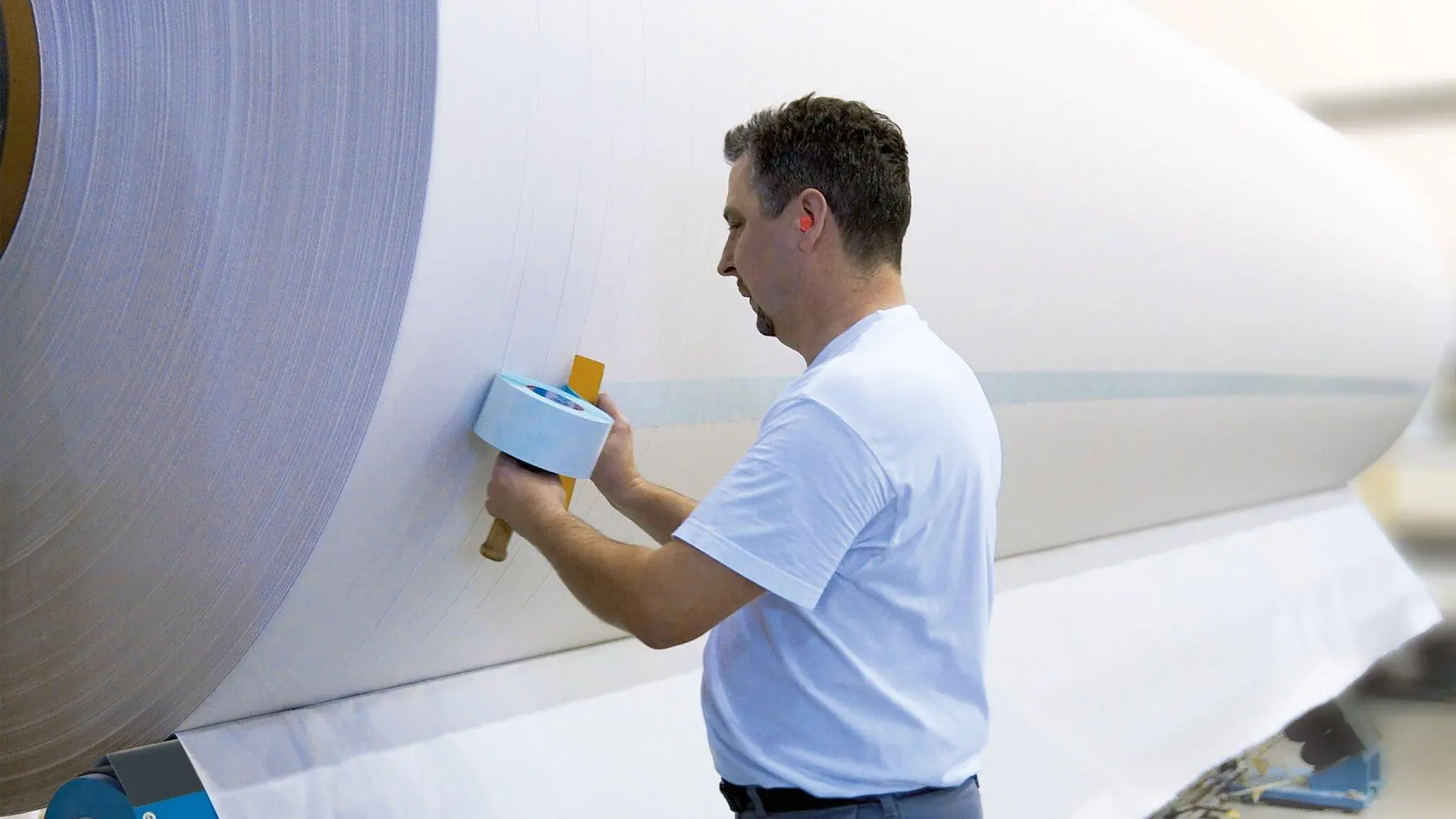
A paper splice can look secure during preparation but still fail once the production line reaches operating speed. The problem is not always a weak adhesive bond. Paper surface conditions, tape construction, splice placement, and changes in web tension can all affect whether a joint stays intact during processing.
On high-speed paper converting and printing lines, a failed splice can interrupt production, cause web breaks, waste raw material, and require operators to stop and rethread the paper. These problems are particularly disruptive during automatic roll changes, where the splice must withstand the transition from one roll to another without slowing the line.
Identifying the actual cause is more useful than simply switching to a tape with higher adhesion. A reliable paper splice depends on matching the tape to the paper grade, splice method, and operating conditions.
Initial tack determines how quickly an adhesive makes contact with a surface and develops enough bonding force to hold the materials together. During a roll change, the tape needs to establish a secure bond within a short period, often before operators have an opportunity to make further adjustments.
If the adhesive does not grab the paper surface quickly enough, the splice may lift at the edges or separate when the web starts moving. This is especially problematic in automatic splicing systems, where the joint must form consistently within a controlled sequence.
A tape with insufficient initial tack may perform adequately during a manual inspection but fail under production conditions. Operators should therefore evaluate how quickly the adhesive bonds to the actual paper grade rather than relying solely on a general adhesion rating.
Not all paper surfaces behave the same way. Coated paper, uncoated paper, kraft paper, and lightweight tissue can differ in surface texture, porosity, coating composition, and surface strength. These characteristics influence how an adhesive wets the substrate and develops a stable bond.
For example, a smooth coated paper surface may offer different bonding conditions from a porous uncoated sheet. On lightweight tissue, the paper itself may tear or split before the adhesive joint fails. In this situation, increasing adhesive strength alone may not solve the problem.
When evaluating paper splicing tape, test it against the actual paper grades used in production. A tape that performs well on one substrate should not automatically be assumed to deliver the same results on another.
Even a suitable tape can produce an unreliable joint if the splice is assembled incorrectly. Misalignment, insufficient contact area, wrinkles, trapped air, and contamination can all create weak points along the joint.
Common construction problems include:
Uneven overlap: The bonded area may be too small or inconsistent across the web width.
Wrinkles and air pockets: These prevent the adhesive from making full contact with the paper.
Poor edge alignment: Misaligned edges can create stress concentrations as the web passes through rollers.
Dust or surface contamination: Paper dust, oil, and other residues can interfere with adhesive contact.
The splice should be applied to a clean, properly prepared surface, with consistent pressure across the bonding area. Operators should also check whether the tape width and splice configuration are appropriate for the web width and production method.
A splice that holds under static conditions may fail when the paper web accelerates or experiences a sudden change in tension. During a roll change, the joint is exposed to dynamic forces that can pull on the bonded area, particularly if the new roll and running web are not moving at compatible speeds.
Excessive tension can cause the splice to peel apart or damage the paper near the joint. Sudden acceleration, uneven tension distribution, and poor synchronization between the unwinding and feeding systems can make the problem worse.
When investigating repeated failures, operators should review tension settings and acceleration profiles around the time of the splice. If the joint consistently fails at the same point in the roll-change cycle, the cause may involve the process conditions rather than the adhesive alone.
Initial tack and holding power are related but serve different purposes. Initial tack describes how readily the adhesive bonds when the tape first contacts the paper. Holding power refers to its ability to maintain that bond under sustained stress.
A tape may have strong initial adhesion but still struggle when exposed to continuous tension. Conversely, an adhesive with good long-term holding performance may not grab quickly enough during a fast roll change.
For high-speed applications, both properties need to be considered alongside the splice design and the actual paper surface. Selecting a tape based on a single adhesion figure can lead to misleading conclusions because test methods and substrate conditions may differ.
Adhesive formulation influences how a tape interacts with different paper surfaces. Acrylic and rubber-based adhesive systems, for example, have different performance characteristics, including tack development, temperature response, and resistance to aging.
The right choice depends on the application rather than a simple ranking of one adhesive type over another. A tape intended for coated printing paper may not be the best option for porous kraft paper or delicate tissue.
Testing should cover the relevant paper grades and include the conditions encountered during production. Where paper dust, surface coatings, or changes in humidity are common, these factors should also be considered.
The backing material affects how a tape behaves during application and under mechanical stress. Paper-backed tapes can offer flexibility and conformability, while film-backed constructions may provide different levels of dimensional stability and tensile strength.
For paper converting and packaging operations, the tape construction should suit the splice method and downstream process. The carrier needs to remain stable enough to support the joint without introducing unnecessary stiffness or interfering with subsequent processing.
A suitable splicing adhesive tape is therefore selected by considering the complete construction: backing material, adhesive system, thickness, width, and intended bonding conditions.
For conventional roll changes, the tape should provide reliable adhesion to the paper surface and maintain the joint as the web resumes movement. Application conditions are generally more controlled than in a flying splice, but the tape still needs to withstand the tension and handling forces encountered during production.
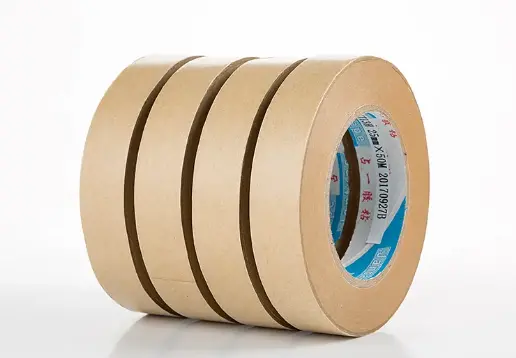
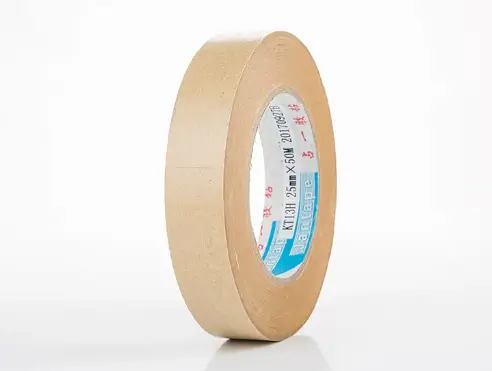
Paper-backed constructions may be suitable for certain paper converting and printing applications, depending on the paper grade and downstream requirements. For example, Jantape's Kraft Paper Splicing Tape KT13H is a product to evaluate when selecting a paper-based splicing solution. Its suitability should be assessed against the specific substrate, splice design, and production conditions.
A flying splice places greater demands on the tape because the new roll must connect with the running web while the production line continues moving. The joint has to form quickly and withstand the forces generated during the transition.
In this application, initial tack, adhesive contact, splice geometry, and tension control all matter. A tape selected for a conventional stationary splice should not automatically be treated as suitable for a flying splice.
Before adopting a high tack splicing tape for high-speed equipment, confirm that its bonding performance and construction match the machine's splice method. Production trials are particularly important because actual results depend on web speed, paper grade, roll diameter, and equipment settings.
Tissue and other lightweight papers present a different challenge. Their low basis weight and limited tensile strength mean that an aggressive adhesive or poorly designed splice can damage the paper itself.
The objective is not simply to maximize bond strength. The tape needs to hold the joint securely without creating excessive stress on the substrate. Tape thickness, flexibility, adhesive behavior, and splice configuration should all be considered.
For these applications, testing should include both the strength of the joint and the condition of the paper around it. A splice that remains bonded but causes tearing or web deformation may still be unsuitable for production.
Different paper converting and printing operations may require different tape constructions according to substrate, splice design, and process conditions. Jantape's Dedicated Tapes for Printing & Packaging range includes adhesive solutions for related industrial applications.
Improving splice reliability requires checking both the tape and the process. Replacing the adhesive without examining application conditions may only move the problem from one production run to another.
A practical troubleshooting process should include the following checks:
Inspect the paper surface. Check for dust, moisture, coatings, surface treatments, and variations between paper batches.
Review the splice construction. Confirm tape placement, overlap, alignment, contact area, and application pressure.
Match the tape to the substrate. Test the selected construction on the actual paper grades rather than relying only on supplier specifications.
Check roll-change conditions. Review web tension, acceleration, speed synchronization, and the timing of automatic splicing operations.
Record failure patterns. Note the paper grade, tape batch, machine settings, production speed, and exact point at which the joint failed.
If failures occur only with a particular paper grade, substrate compatibility deserves closer attention. If they happen mainly during acceleration or automatic roll changes, tension control and splice timing may be more significant. This distinction helps maintenance and production teams identify the cause without making unnecessary changes to the entire process.
For a broader explanation of splice constructions and industrial applications, see What Are Splicing Tapes and Why Do They Matter.
Reliable paper splicing is the result of matching adhesive performance, backing material, splice design, and machine conditions. A tape with high adhesion is not automatically the right choice for every production line. The most dependable solution is one that has been tested on the actual paper substrate and under the operating conditions where the splice must perform.